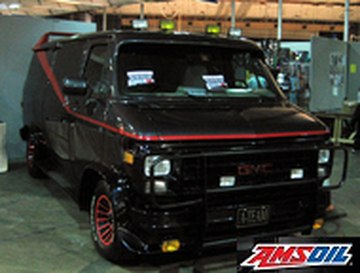
Maintaining Lubrication Integrity for the 1981 Gmc Trucks G2500 5.7L
Proper engine maintenance is a cornerstone of long-term vehicle health, particularly for utility-focused vehicles like the 1981 Gmc Trucks G2500. With a 5.7L engine, ensuring that the lubrication system remains clean and effective is vital for managing the mechanical stresses associated with regular use. Maintaining this vehicle requires a proactive approach to monitoring fluid conditions and inspecting various engine-related components to prevent unnecessary wear.
Monitoring Fluid Condition and Potential Leaks
One of the most effective ways to monitor the health of the 5.7L engine is through regular visual inspections for fluid integrity. Over time, various seals and gaskets may experience changes in their ability to contain fluids. It is useful to inspect the area around the engine block and the underside of the vehicle for any signs of seepage or active leakage.
When performing these checks, look for:
- Wetness or staining on the engine surfaces that could indicate a slow seep from a gasket or seal.
- Accumulations of fluid in the oil pan area or around the bottom of the engine.
- Puddles forming beneath the vehicle after it has been parked for an extended period.
If you notice changes in how much lubricant the engine seems to use between service intervals, this warrants closer investigation. While a small amount of consumption can occur as engines age, significant changes should be addressed promptly. Additionally, always check the appearance of the oil on the dipstick; if the fluid appears excessively dark, gritty, or has an unusual odor, it may indicate that the lubricant is reaching the end of its effective service life.
Systematic Inspection of Engine Components
Beyond just checking for leaks, a comprehensive maintenance routine involves inspecting other parts of the engine compartment. For a 1981 Gmc Trucks G2500, keeping an eye on peripheral components can help identify issues before they lead to more significant mechanical concerns.
If equipped, inspect all accessible drive belts for signs of deterioration such as cracking, glazing, or fraying. Similarly, if the vehicle is equipped with various rubber hoses, check them for softness, swelling, or hard spots that might indicate they are becoming brittle. Maintaining these components helps ensure that the engine operates within its intended parameters.
Electrical connections and wiring harnesses should also be inspected. Over decades of service, heat cycles and vibration can cause connectors to become loose or wires to show signs of wear. Ensuring that electrical integrity is maintained supports the overall reliability of the engine's management systems. Furthermore, checking the condition of the air filtration system is essential; a clean air intake prevents debris from entering the combustion chamber, which helps maintain efficient operation.
Prioritizing Maintenance Based on Vehicle Condition
As vehicles age, the most effective way to manage maintenance is to prioritize tasks based on the actual current condition of the machine rather than relying solely on chronological age. For an owner of a 1981 Gmc Trucks G2500, this means establishing a baseline of what is currently functioning correctly and what shows signs of wear.
If you are stepping into ownership of this vehicle without a complete service history, your first priority should be to create a maintenance record. Documenting every oil change, filter replacement, and repair provides a clear picture of the engine's history. This documentation makes it much easier to identify patterns, such as increasing fluid consumption or recurring leaks.
When deciding where to focus your efforts, address active concerns first. An active leak or a visible sign of component wear should take precedence over general preventive measures. Once the immediate needs are met, you can transition into a more consistent schedule of monitoring and preventive maintenance. This condition-based approach ensures that resources are spent on what the vehicle actually needs to remain operational.
Understanding Lubricant Functionality
The engine oil in the 5.7L engine performs several critical roles that go beyond simple lubrication. It acts as a medium for heat management, helping to carry thermal energy away from high-friction areas within the engine. It also serves as a cleaning agent, suspended contaminants and microscopic debris so they can be captured by the oil filter.
Maintaining the quality of this lubricant is essential because degraded oil loses its ability to manage these tasks effectively. When oil breaks down due to heat or oxidation, it can lead to the formation of deposits or sludge, which may interfere with the smooth operation of engine components. By adhering to a consistent service routine and using the correct application-specific products, you help ensure that the lubricant continues to provide the necessary protection against friction and thermal stress.
Practical Steps for Long-Term Engine Care
Long-term ownership of a classic truck requires a shift in mindset from reactive repairs to proactive monitoring. One of the most useful habits is to perform "walk-around" inspections. This doesn't require specialized tools; simply opening the hood and looking for anything that seems out of place—such as a loose hose, a frayed belt, or a new stain—can prevent minor issues from escalating.
It is also beneficial to keep an eye on how the engine behaves during different operating conditions. If you notice changes in how the engine sounds or if there are any unusual vibrations, these can be early indicators that something requires attention. Always remember that symptoms like unusual noises or changes in performance can have multiple causes, so they should be investigated thoroughly rather than being dismissed.
Buying Engine Oil for your 1981 Gmc Trucks G2500 5.7L
When it is time to replenish the engine lubricant, accuracy in selection is paramount. To ensure the best possible protection for your 5.7L engine, you must match the oil to the specific application information provided on this webpage. Do not rely on general knowledge or assumptions about what an older truck might need; instead, use the viscosity and specifications listed in the application data above.
When shopping for products, consider the following practical tips:
- Verify that the oil you are purchasing meets the appropriate API certification standards.
- Check the product labeling carefully to ensure it aligns with the requirements shown on this page.
- If your engine shows signs of high mileage, you may want to look into formulations that include seal-conditioning additives, though you should always confirm these are appropriate for your specific needs.
- Whether you choose a conventional, synthetic blend, or full synthetic oil, the most important factor is that it matches the vehicle-specific viscosity and application details provided in the technical data above.